SciCommInternship
Thursday, April 2, 2026 • 2 min read
Trying something new. Writing some public journal entries about my internship experience.
Struggling really bad with writing a blog post for my internship. I know I want to be about the board game they designed but I don’t know how approach it.
Asked my professor for a meeting to bounce off ideas. Tomorrow the holidays start in my region but if I do get to have that meeting, I would really like it to happen as soon as possible.
I’m not really sure why I’m struggling. Well, apart from the general perfectionism streak. I considered making a blog for my website to publish it but that won’t really solve the issue. I did work on the blog post yesterday but when I saw it today, it sounded too technical/formal/science-y. That’s not the kind of time I want it to have. But then, perhaps I should just focus on getting the words out. But but, I don’t know what to say. I played the board game twice. Should I write it as anecdote?
Sometimes, I can seriously get bogged down into the details like tone and audience and message when I should just write. the damn. thing! I can’t help but think about the professional details of the whole thing and I end up being unable to write anything. It’s such an unpleasant experience.
I know it’s hard enough to write for a living for anybody. I keep thinking of things that have nothing to do with what I’m doing and I wish I knew a way to just stop.
Monday, March 30, 2026 • 4 min read
Okay, I need a plan. I have put off my internship for an embarrassingly amount of time. What do I need to do? What do I need to do?
First, let's see how many hours I have left to complete. Fortunately, I'm tracking my time with ToggleTrack. After doing the math, I can work for about 2.5 hours a day for the next fifteen (15) workdays to reach the 120hour minimum. I think I can do that if I add brainstorming time like this.
Next, what do I want to accomplish for the remaining 34.5hours I got left? Well, I really do want to add my supervisor's ORCHID profile link to her profile in the website. I think it would be an easy way for site visitors to find a list of her research. Also, ORCHID I have the impression that it's more "social" than Google Scholar and Research Gate. Yes, those are my supervisor's three "social" profiles as a researcher.
Now that I think about it, I would like to share my notes with the team. Yeah, or... I just think it's a bit strange to keep those links to myself, y'know? I would *like* to add those three links to the lab's website. Maybe I should ask my supervisor first and see what she thinks. If I had to choose one to display in the website, I would choose ORCHID.
Next, I'm going to finish those interview questions for my coworker. She's doing some amazing social and scientific research in East Africa. So far, I have a draft for her introduction. For the questions, I'm thinking three to five well thought ones about her time over there so far. The goal is to showcase the work and life of lab members. My coworker is on a fellowship so I'll forgo the "basic" details and hone into the good stuff. What it's like to live over there! I have very little personal experience with the region so I think site visitors who are most likely from the American continent and Europe would be interested into reading insight in such a faraway region.
So for the presentation of this interview after the design of the News section has been up and running for a few weeks. I'm thinking that... ah yes, I was also advised to reach out to outlets for my writing. Yeah, I should seriously consider that, shouldn't I?
Instead, let's focus on writing topics. The lab has an interdisciplinary focus so talking about biodiversity, conservation, and political ecology to introduce people to the topics. They make sense to me because my family is from Latin American where agriculture is inherently woven with cultural identity. Ecuador is an agrarian country so agriculture and ecosystem health has a huge influence in politics. Perhaps I could write about this! Write about my own reality (or my cultural background to be specific) where while industrial agriculture does have a space in the country's economy, it relies mostly on small and medium-size producers (milk, fruits, seafood, coffee, cacao, and others). Yeah, I like that. It's also... lab agnostic I would say? As in it could also be read outside of any website. Syndicated is the word haha.
Something I could write about is an informal piece on my experience playing the board game my supervisor was part of designing. I played it twice and I think people might be interested in knowing about someone's experience. It would also indirectly be a way to promote it.
Based on the list of my deliverables I wrote with my supervisor before the start of the internship, my focus on April looks a bit like this:
Blog style articles (1 - 2)
- Board game
- Something related to agriculture, ecology, economy, and politics on an agrarian country (ex. Ecuador). Perhaps highlight one of the many sustainable agriculture projects in the c
Researcher profile/Q & A (1)
- Q & A with lab member
- Graphic/visual explainer (Optional)
- Something something, poster on basic agroecology concepts. I have learned that the best guides are the ones for personal use so I can gather some notes from what I have learned and make a poster out of it.
Tuesday, March 24, 2026 →
I like my writing! I like what I’m writing! Hooray! Yay! I’m so happy!
Monday, March 23, 2026 • 1 min read
Project Overview
summary
Objective
Steps
Role
Key tasks
Outcome
Lessons
Methodology
Quantifiable Results
stats and other data.
Work Samples
deliverables.
Personal Reflections
lessons learned.
Skills
applied and developed social and technical skills.
Monday, March 23, 2026 • 1 min read
screenshots with captions.
- Header and footer wireframe on Excalidraw. ✔
- Header and footer wireframe on pen and paper.
- (screenshots of old and new versions) News page. ✔
- (screenshots of old and new versions) People page. ✔
- (screenshots of old and new versions) Research page. ✔
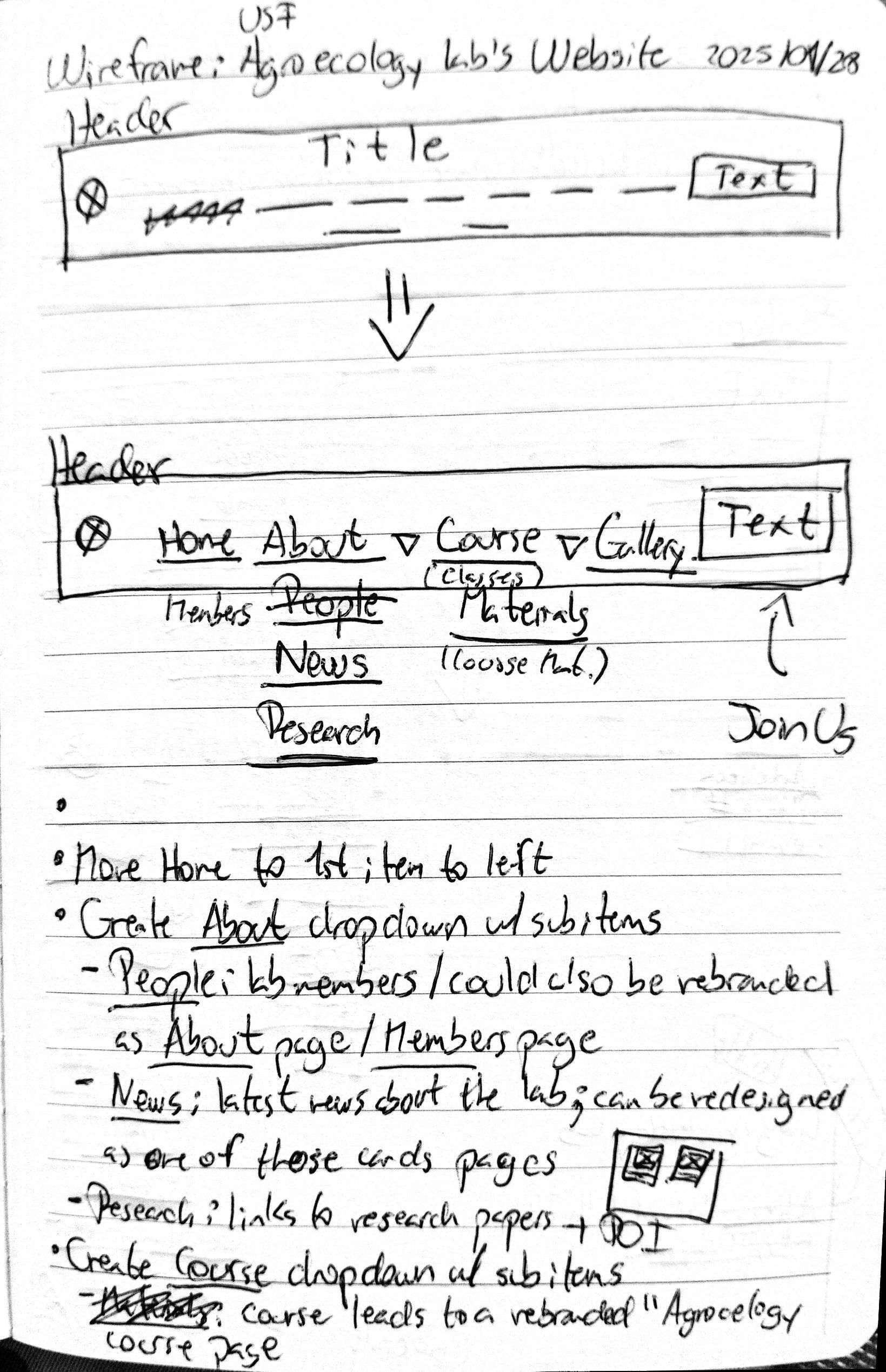
Figure 1. Initial sketch of header design.
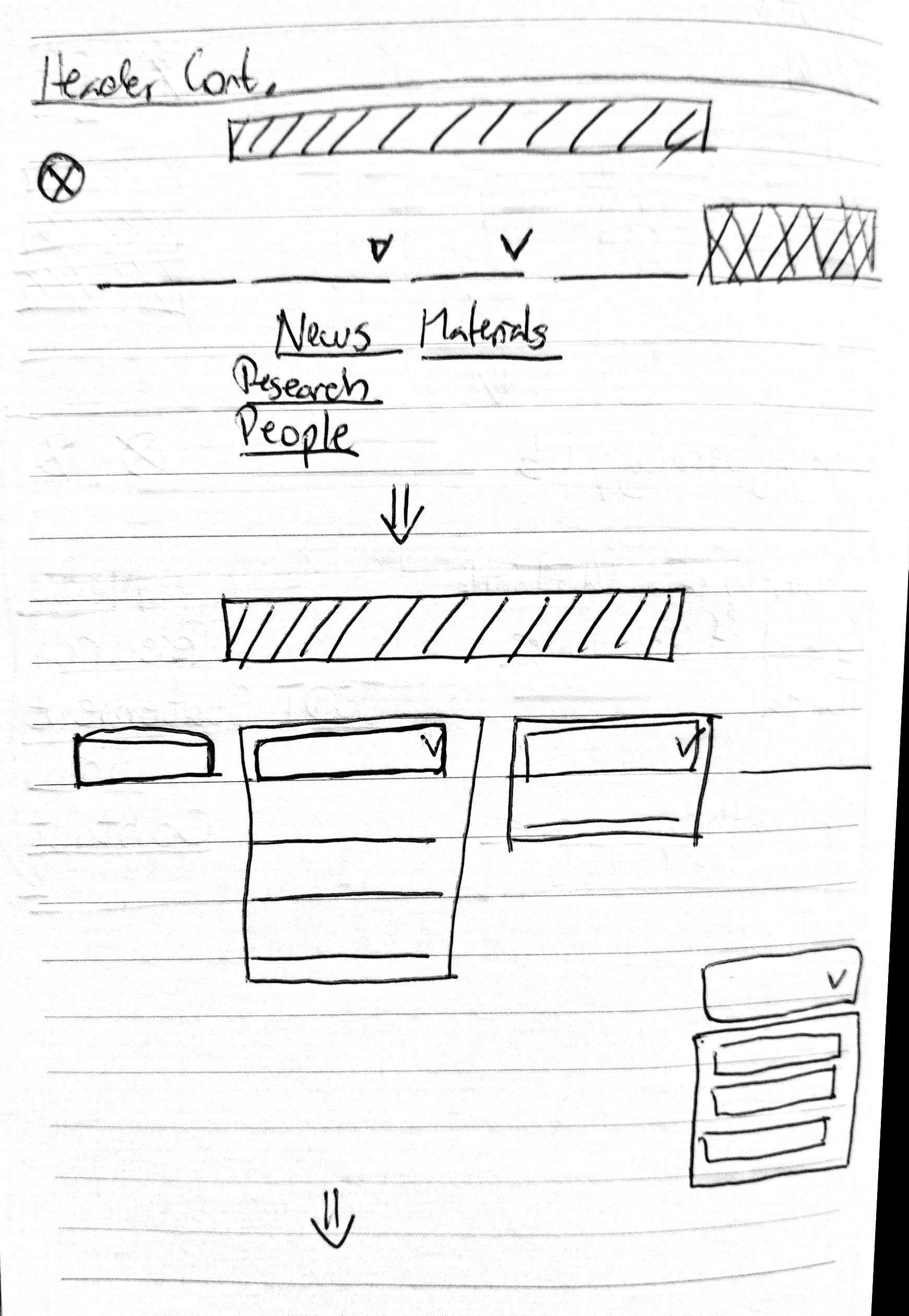
Figure 2. Intermediate sketch of header design.
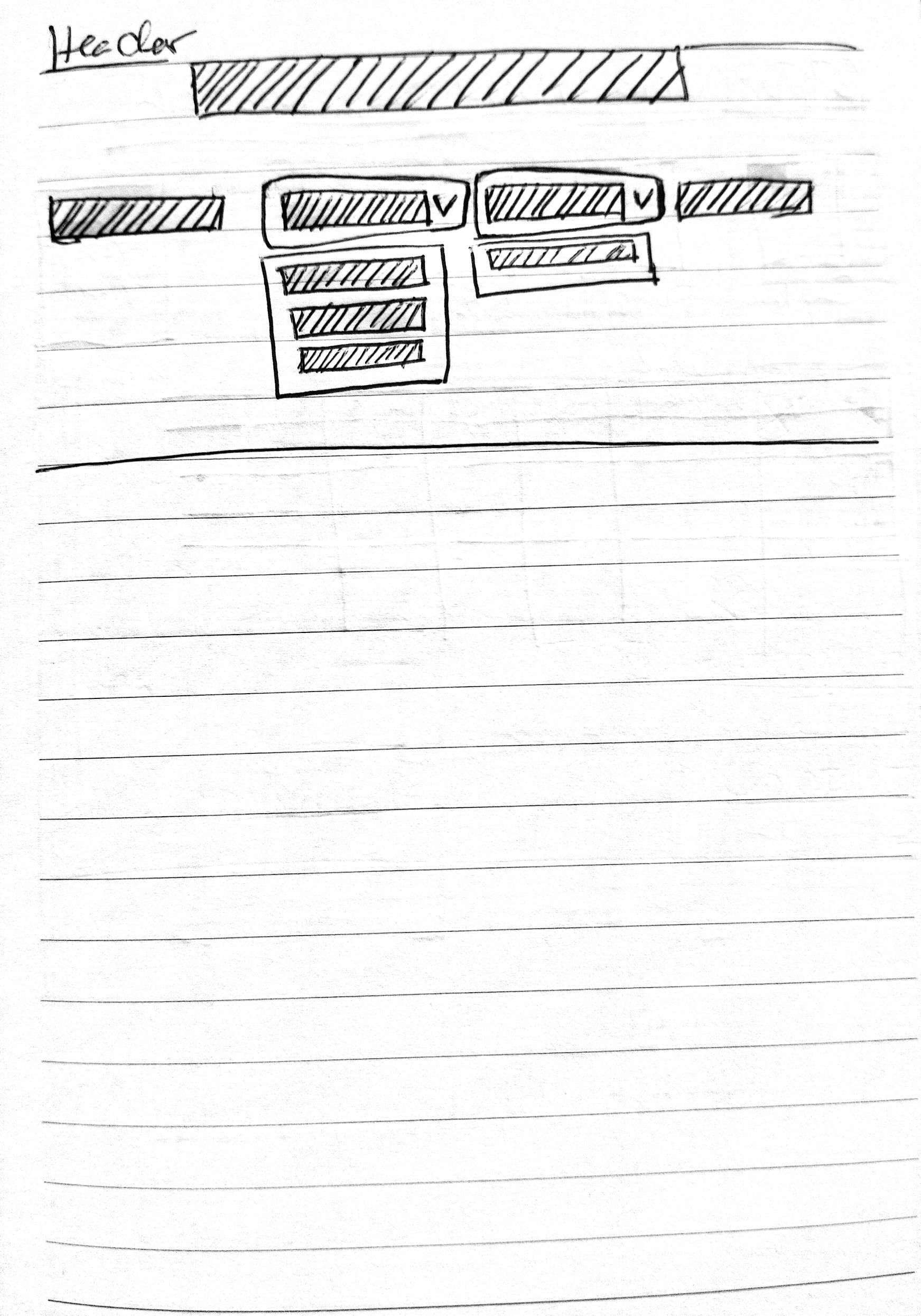
Figure 3. Final sketch of header design.
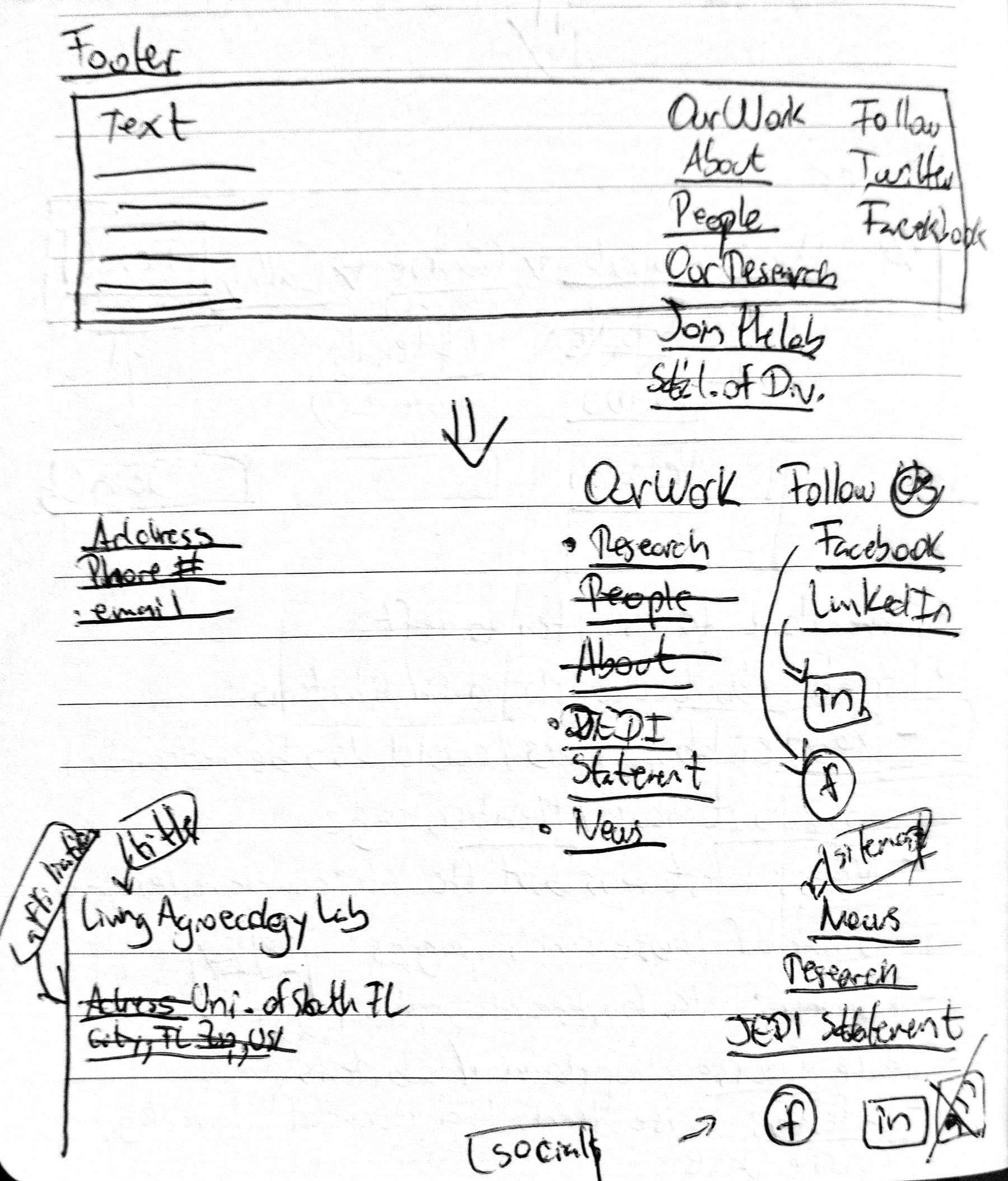
Figure 4. Initial sketch of footer design.
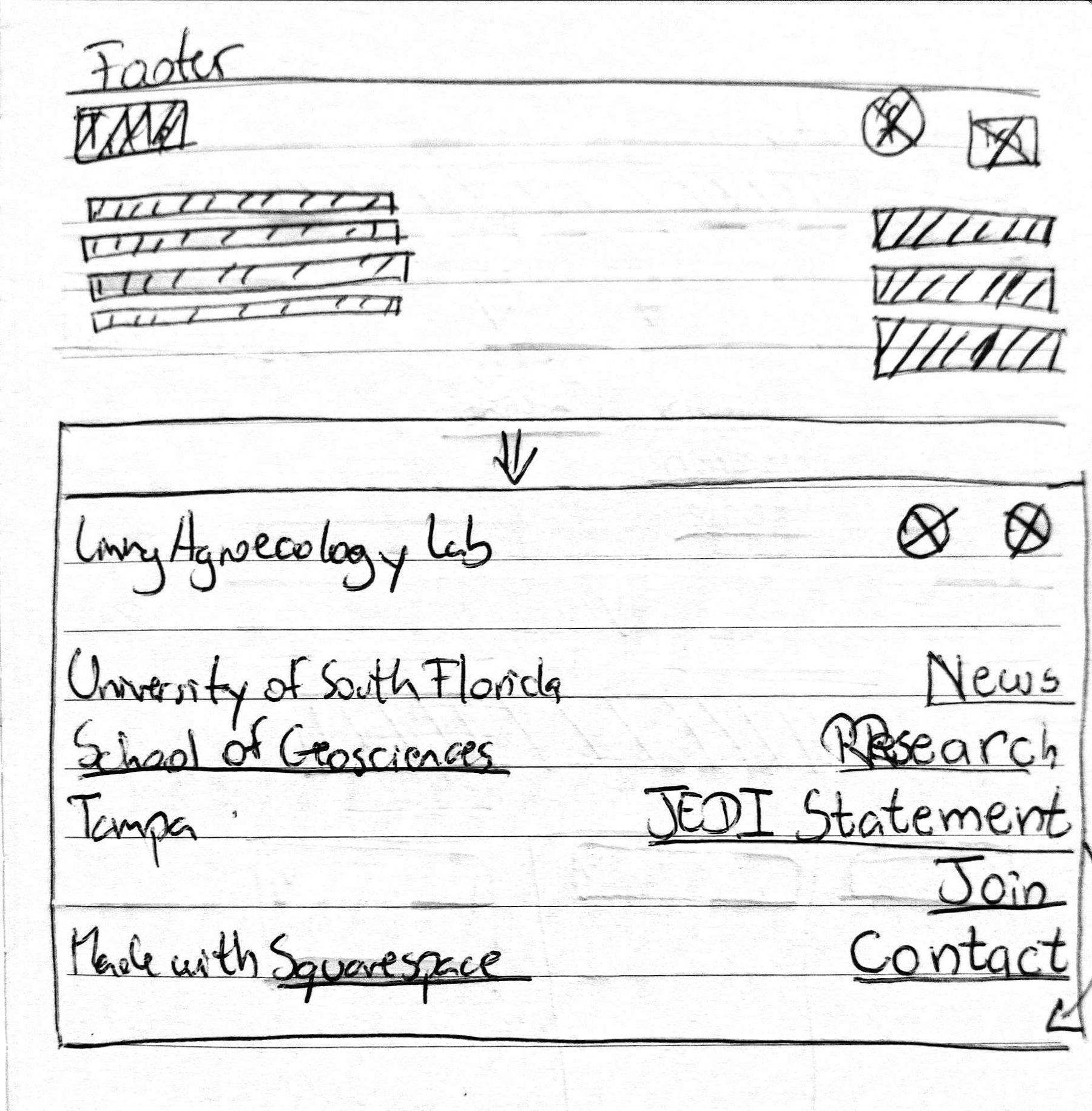
Figure 5. Final sketch of footer design.
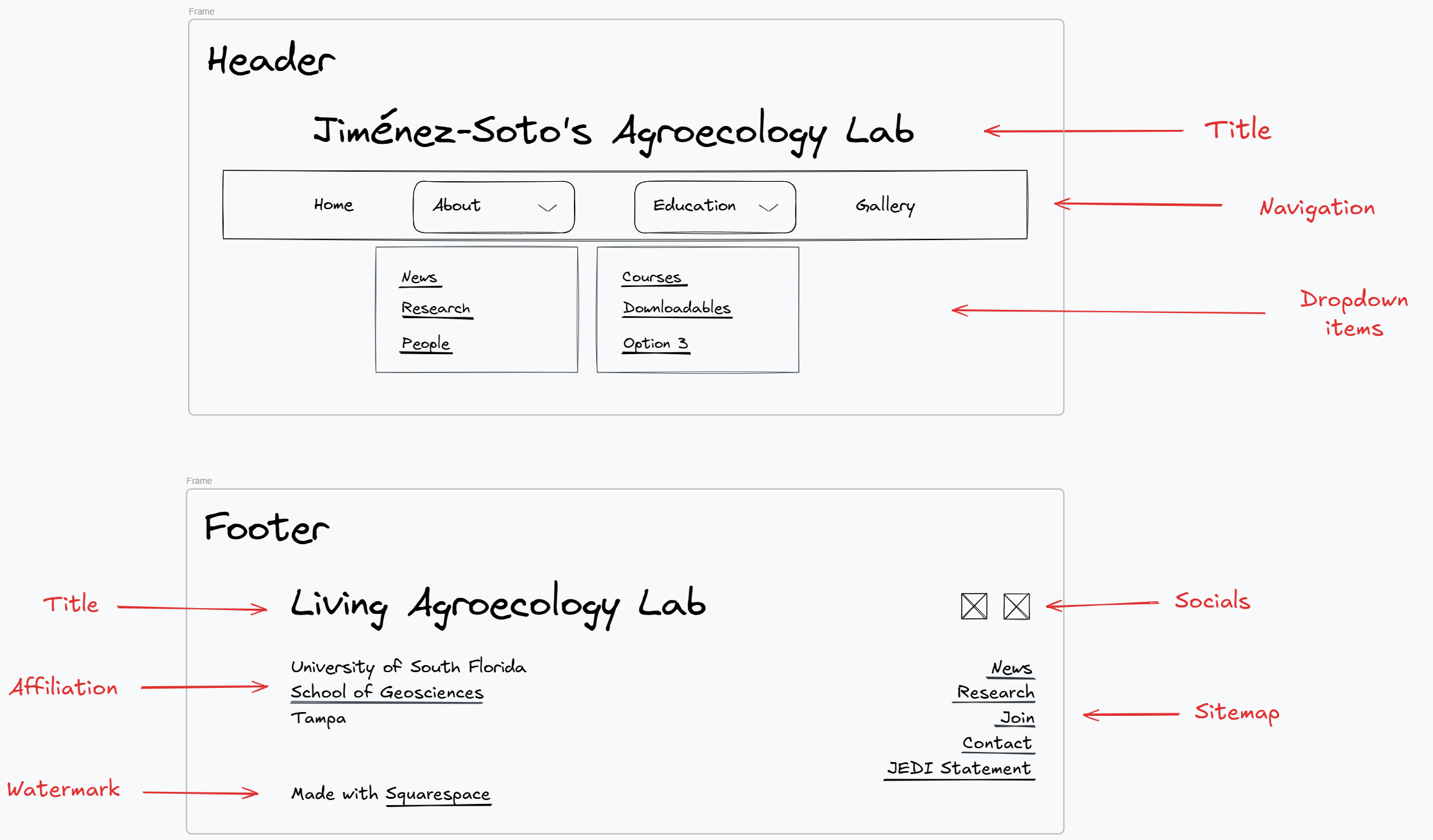
Figure 6.
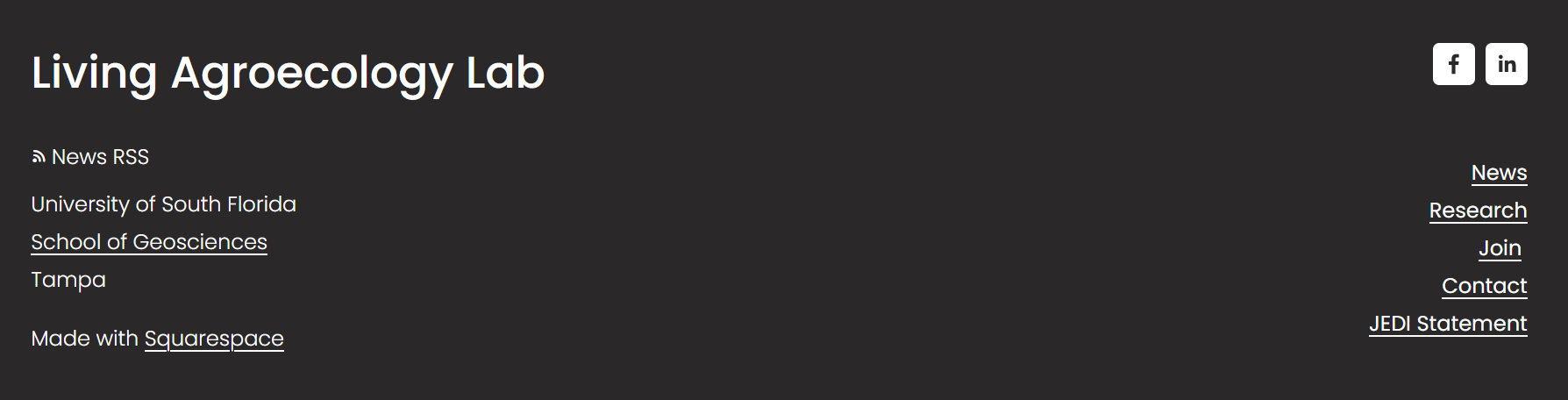
Figure 7. Live version of footer.
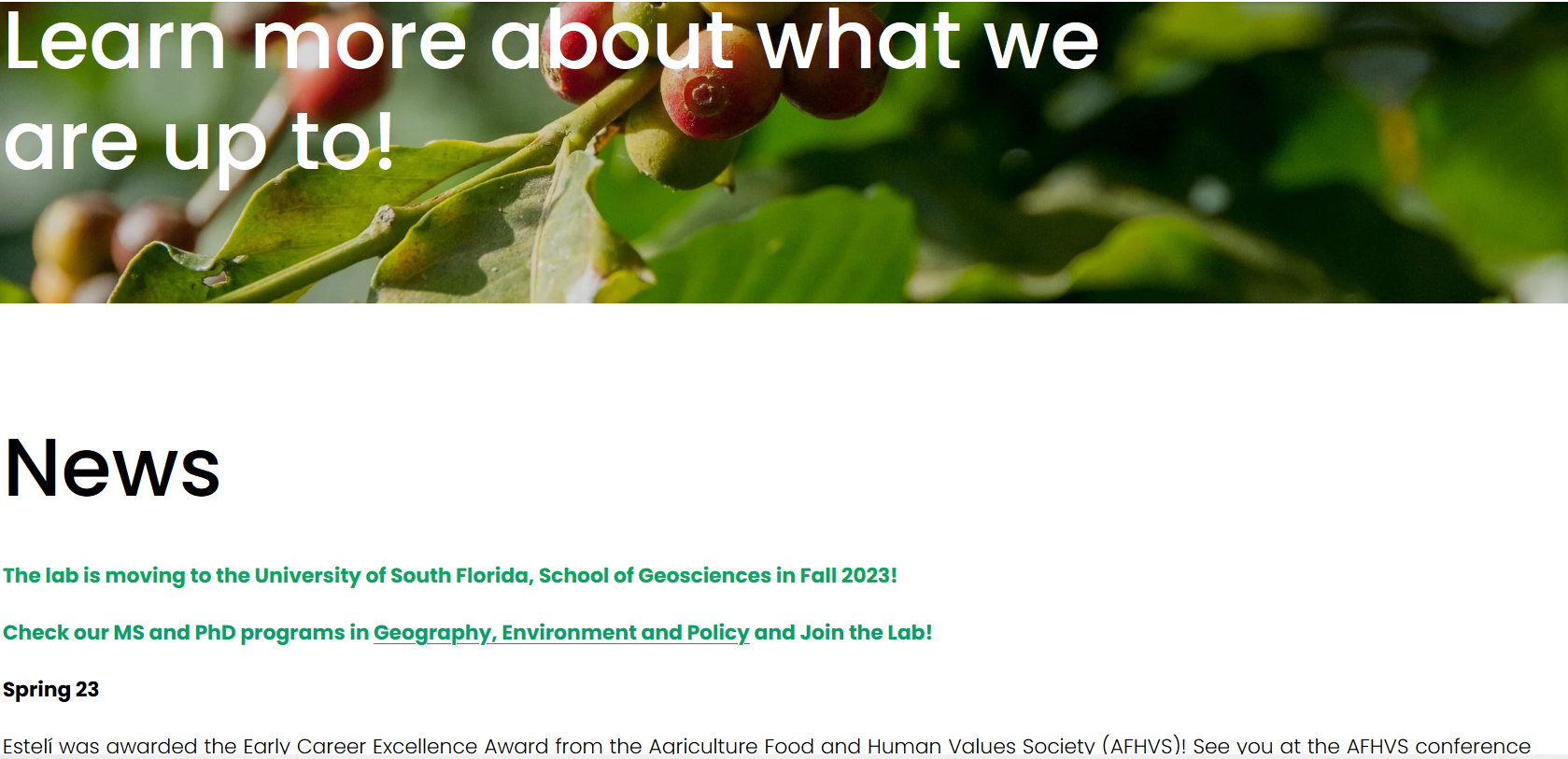
Figure 8. News section before refresh.
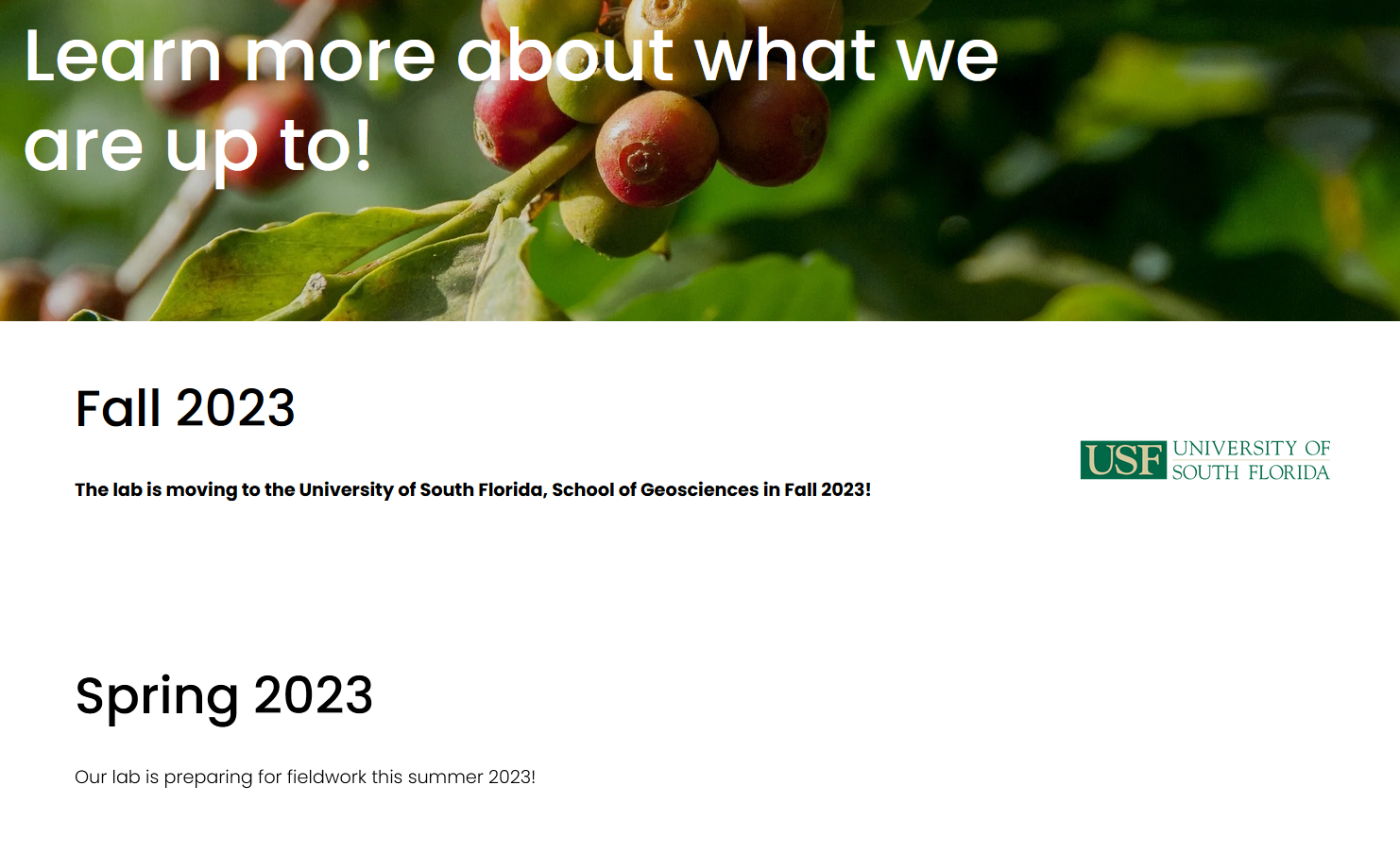
Figure 9. News sections after refresh.
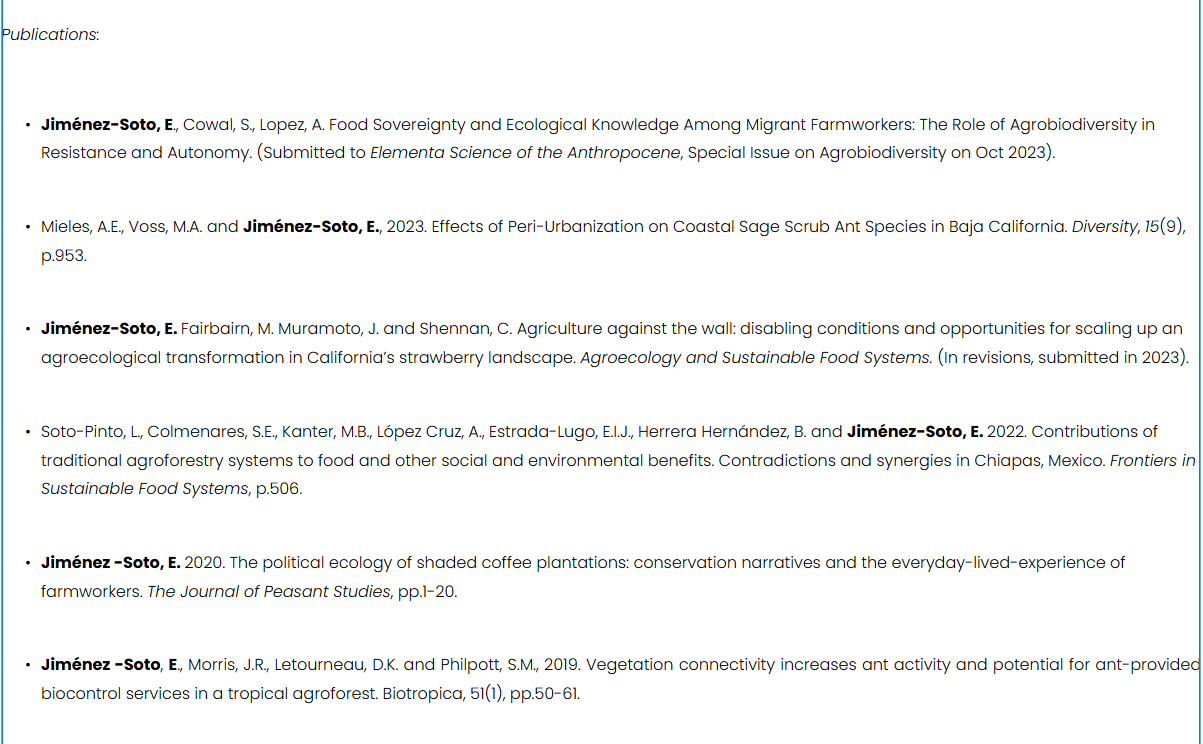
Figure 10. Research section before update.
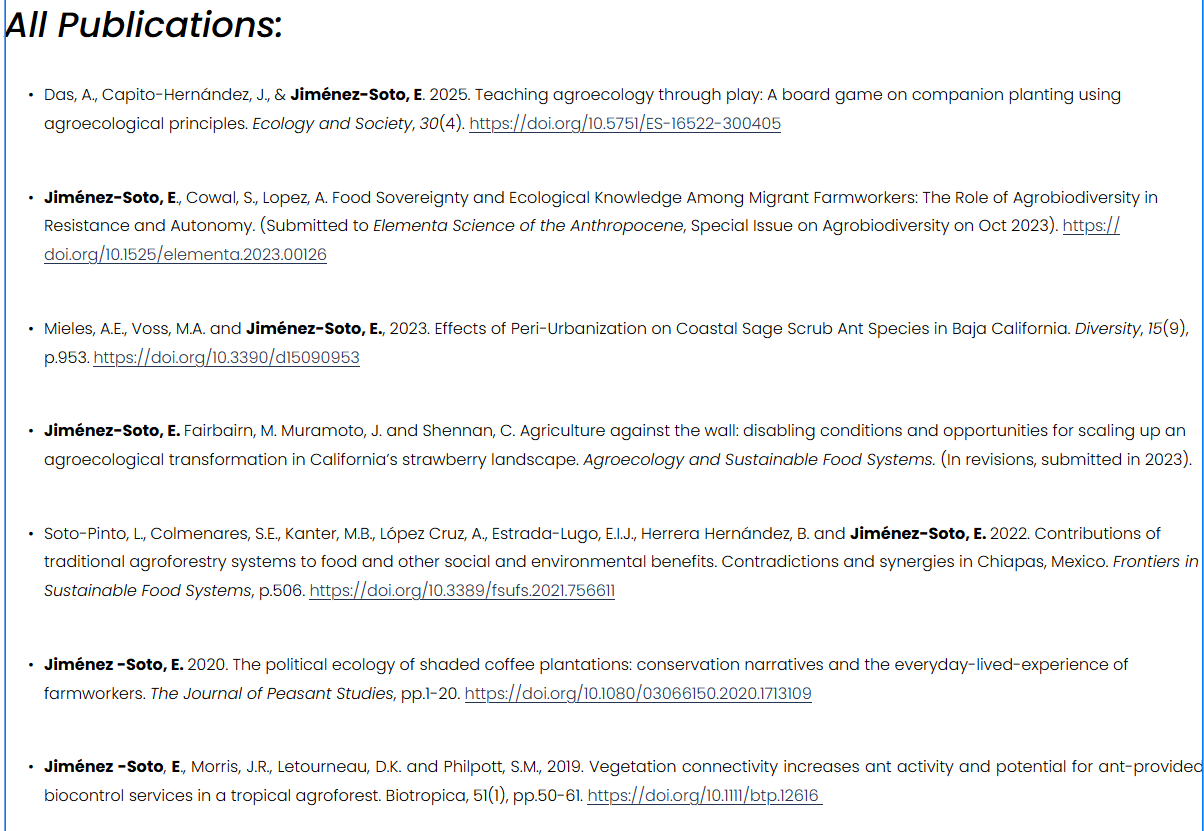
Figure 11. Research section after update.
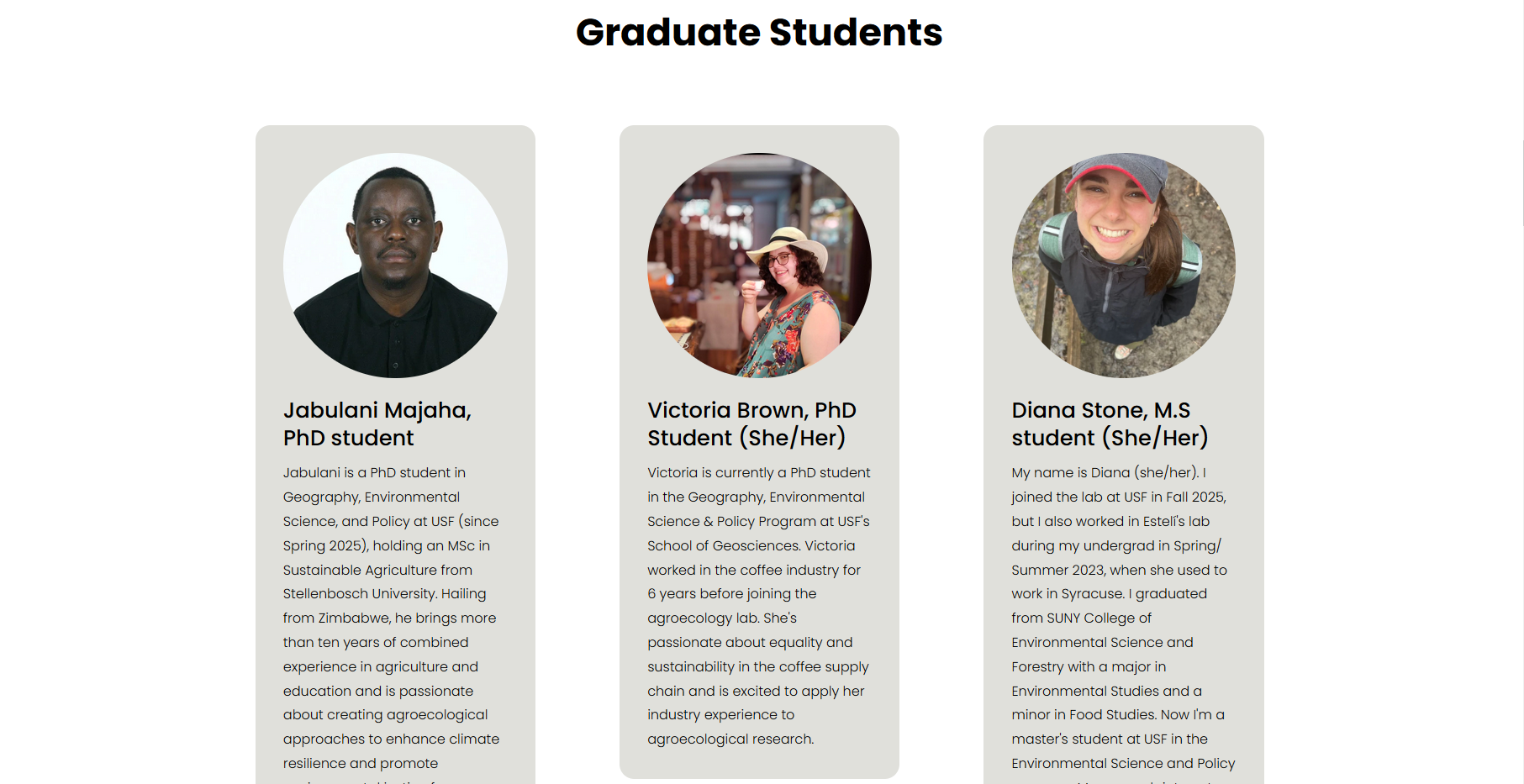
Figure 12. Snippet of live version of People section.
Monday, March 23, 2026 • 2 min read
The header and footer where the only sections that started with a wireframe because it required little technical knowledge of Squarespace’s CMS. I decided on the new layout beforehand and did my best to translate it to the CMS. The footer gave me the most trouble because of the alignment of various elements. I like to start a wiredrame with pen and paper to get familar with each elmenet before brainstorming ideas and try them out on a sketch before making the final design digitally.
With the page layouts, I had to get my hands dirty and work directly in the Squarespace laytout because I had little knowledge of its potential limitations, and limitations it had. Because my knowledge of markup were greater than my experience with Squarespace, there were many times I wanted to implement my ideas using what I was more familiar with. Nevertheless, I found a layout to my liking that I felt it fit well with the website as well. Naturally, I didn’t touch the live version. Instead, I created a new page that couldn’t be accessed to and tested various layouts. I also did my best to limit custom CSS because the site’s owner had little knowledge of it so its inclusion would have been more of a hindrance after my there ended because they would be unfamiliar with the code. Although I did cave in and wrote a couple of lines for aesthetic purposes that Squarespace didn’t offer for some reason. That reason is a background for each card. Pretty basic design option in my opinion.
Tuesday, March 17, 2026 • 2 min read
Objective
Edit several web pages including but not limited to News, People, and Research with up to date information.
Steps
- Draft new versions of selected pages, submit for comments, and apply suggestions before implementation.
- List current areas improvement on the selected pages and brainstorm potential solutions.
- Gather references from other science-focused websites.
- Create wire frames for each proposed layout. Find SEO and accessibility vulnerabilities throughout the site and correct them.
Role
Project developer, designer, and manager working hand in hand with the website owner.
Key tasks
- Identified areas of improvement.
- Brainstormed and designed potential solutions.
- Implemented solutions and made sure they worked using Squarespace’s CMS.
- Followed web design and accessibility and standards.
Outcome
Brand new designs for several pages of the website (including a new header and footer) with the latest info and news. Several design proposals were accepted as-is while others required minimal changes.
Lessons
As a web designer, it is important to respect the intention behind every web page to help it grow. Any change to a page must be in accordance to the core idea behind it.
Methodology
For pages with a whole new layout (ie. People and News pages), Plain text version -> draft layout on Squarespace -> changes to live version. Started with a plain text draft which required zero knowledge of Squarespace’s CMS, before translating the layout to the CMS, and finally, after making sure everything on the page worked and looked pleasant, exchanged the live version with the draft.
- Pen & Paper
- Excalidraw
- Squarespace CMS
- Squarespace Forums.
Deliverables
screenshots with captions.
- Header and footer wireframe on Excalidraw
- Header and footer wireframe on pen and paper.
- (screenshots of old and new versions) News page.
- (screenshots of old and new versions) People page.
- (screenshots of old and new versions) Research page.